
Research Summary
-
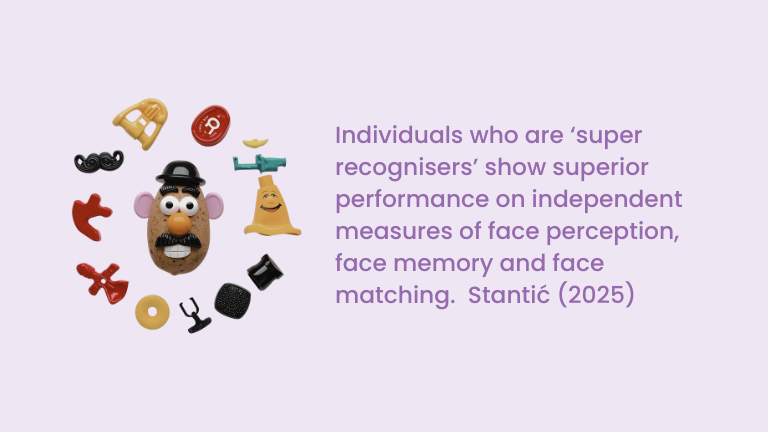
Individuals who are ‘super recognisers’ show superior performance on independent measures of face perception, face memory and face matching
Some people are far better than others at recognising faces. These people are called super recognisers. Scientists want to know why they are so good. Usual tests mix together different skills, like noticing details in a face, remembering faces, and deciding if two faces are the same. This makes it hard to know which skill…
-
“I did what I could to earn some money and be of use”: A qualitative exploration of autistic people’s journeys to career success and fulfilment
Employment is beneficial to people’s overall wellbeing, but many autistic people who want to work face challenges in finding and maintaining meaningful employment. Much of the current research focuses on employment rates (e.g., whether someone has a job or not), rather than an understanding of career development and experiences. This study aimed to explore what…
-
Perceptual Experiences of Autistic People With an Intellectual Disability and People With Williams Syndrome
We looked at how autistic people with intellectual disabilities and people with Williams Syndrome (WS) experience focus, distraction, and input like sounds or sight. We wanted to find out if autistic people with intellectual disabilities have the same “increased perceptual capacity” (ability to process more information) seen in autistic people without intellectual disabilities.
-
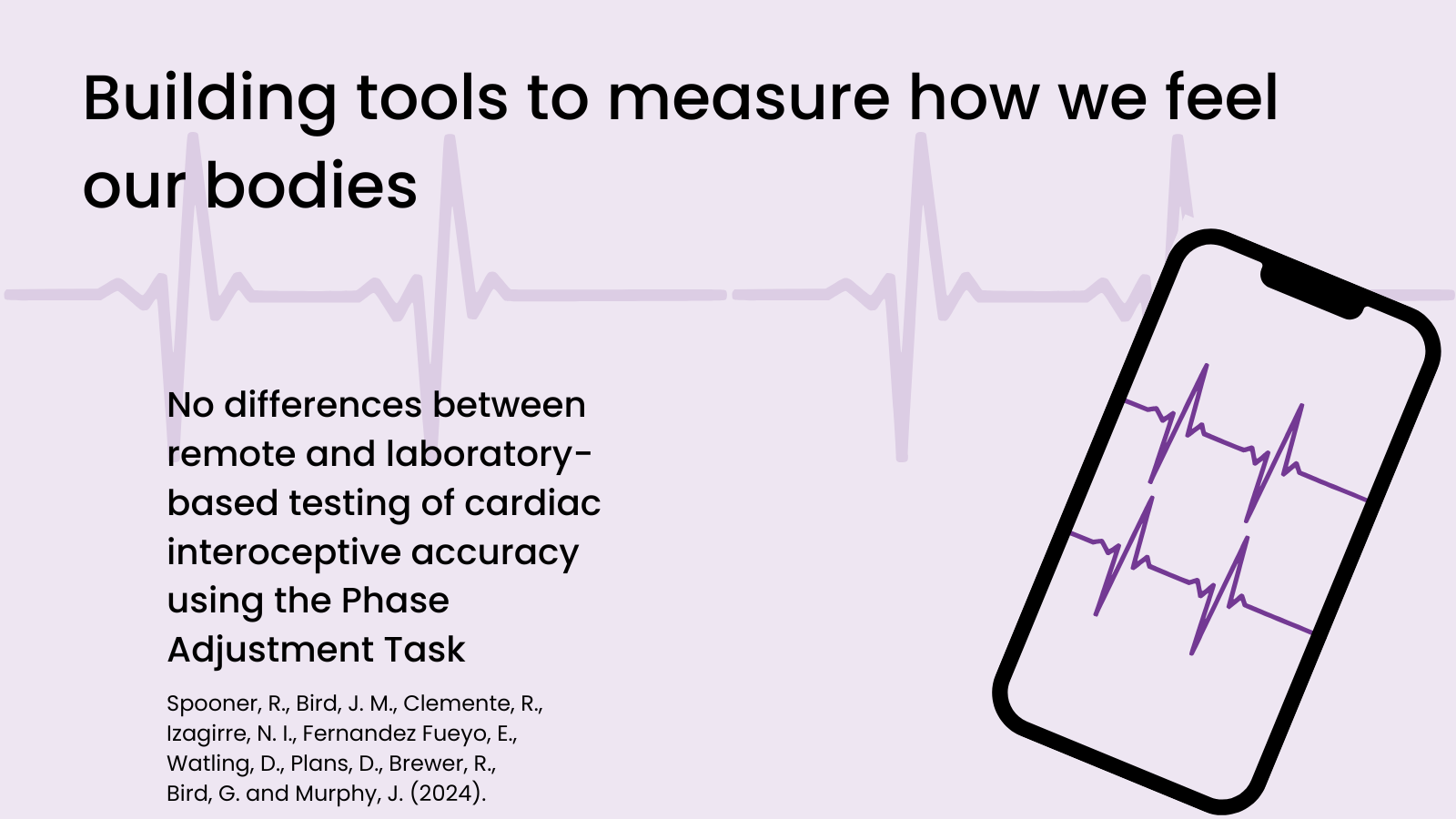
No differences between remote and laboratory-based testing of cardiac interoceptive accuracy using the Phase Adjustment Task
Interoception – how we feel what our body is doing – has been linked to wellbeing. A team, with Geoff Bird, looked at a new app that might how accurate someone is at feeling signals form their body.
-
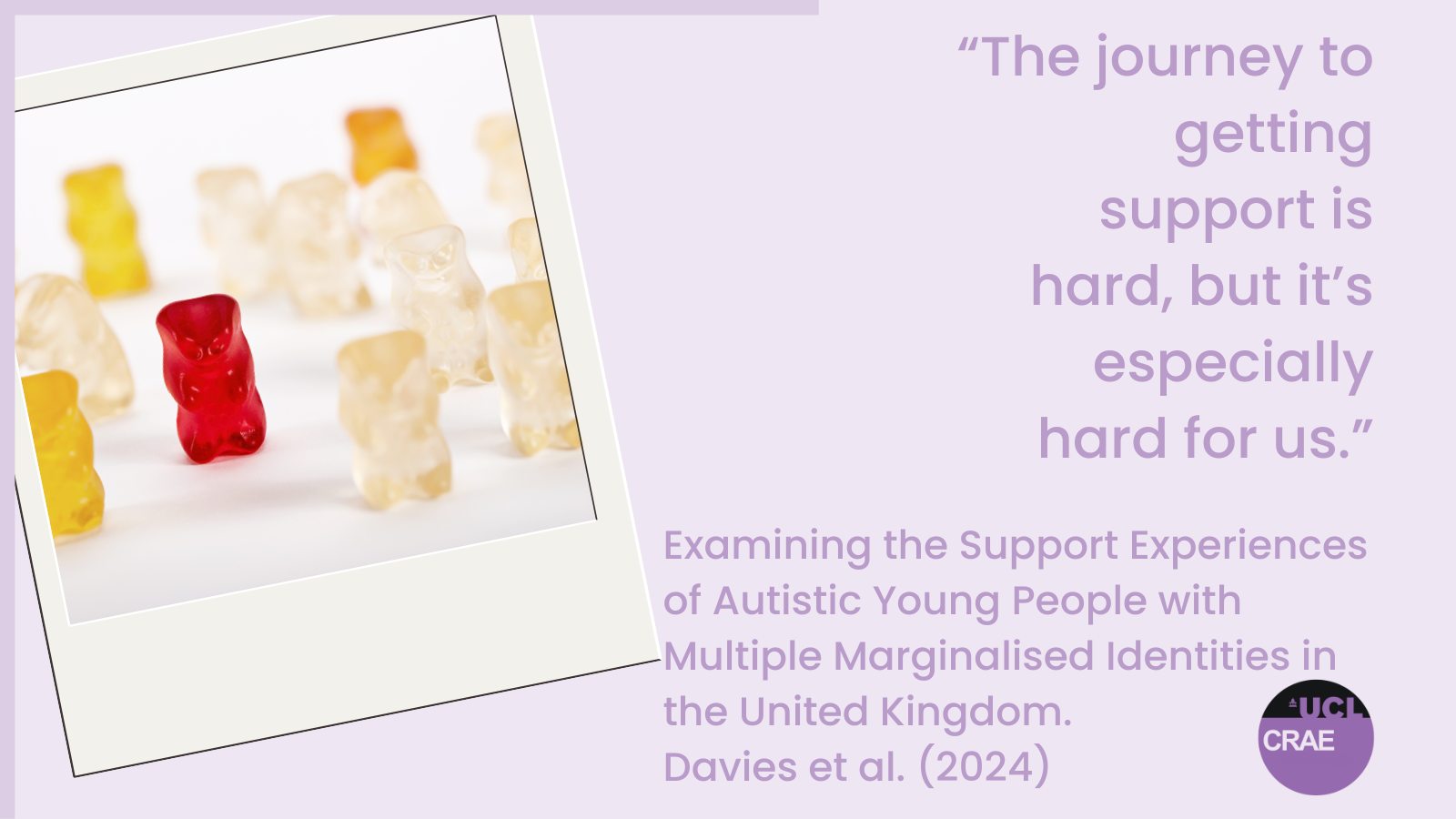
Examining the Support Experiences of Autistic Young People with Multiple Marginalised Identities in the United Kingdom.
Some groups are pushed towards the edges of society where they have fewer opportunities and less power. These are people with marginalised identities, which can come from being part of a minority ethnic group, facing cultural and linguistic barriers, or being autistic. When people belong to more than one of these groups, they have…
-
The Enduring Importance of the ‘Fine Cuts’ Approach to Psychology
In this paper Geoff gives his thanks to those who have taken him through the steps of ‘fine cuts’ research that seeks to get past the superficials to what is really going on.
-
Choice blindness in autistic and non-autistic people
A strange phenomenon in the way people behave is ‘choice blindness’. When someone has made a choice that is sneakily swapped and shown back to us later, we often fail to notice – and even stick with the switched choice. Believing that we already made a choice, might make us justify it to ourselves. Our…
-
Evaluating the impact of an online autism training on changing employers’ autism knowledge and commitment to inclusion in the workplace
This study addresses a really important issue – the gap in autism knowledge among employers, which often hinders employment opportunities for autistic individuals. The research evaluates the effectiveness of an online training programme developed by Ambitious about Autism, “Understanding Autism in the Workplace”, on changing employers’ autism knowledge and commitment to inclusion in the workplace.
-
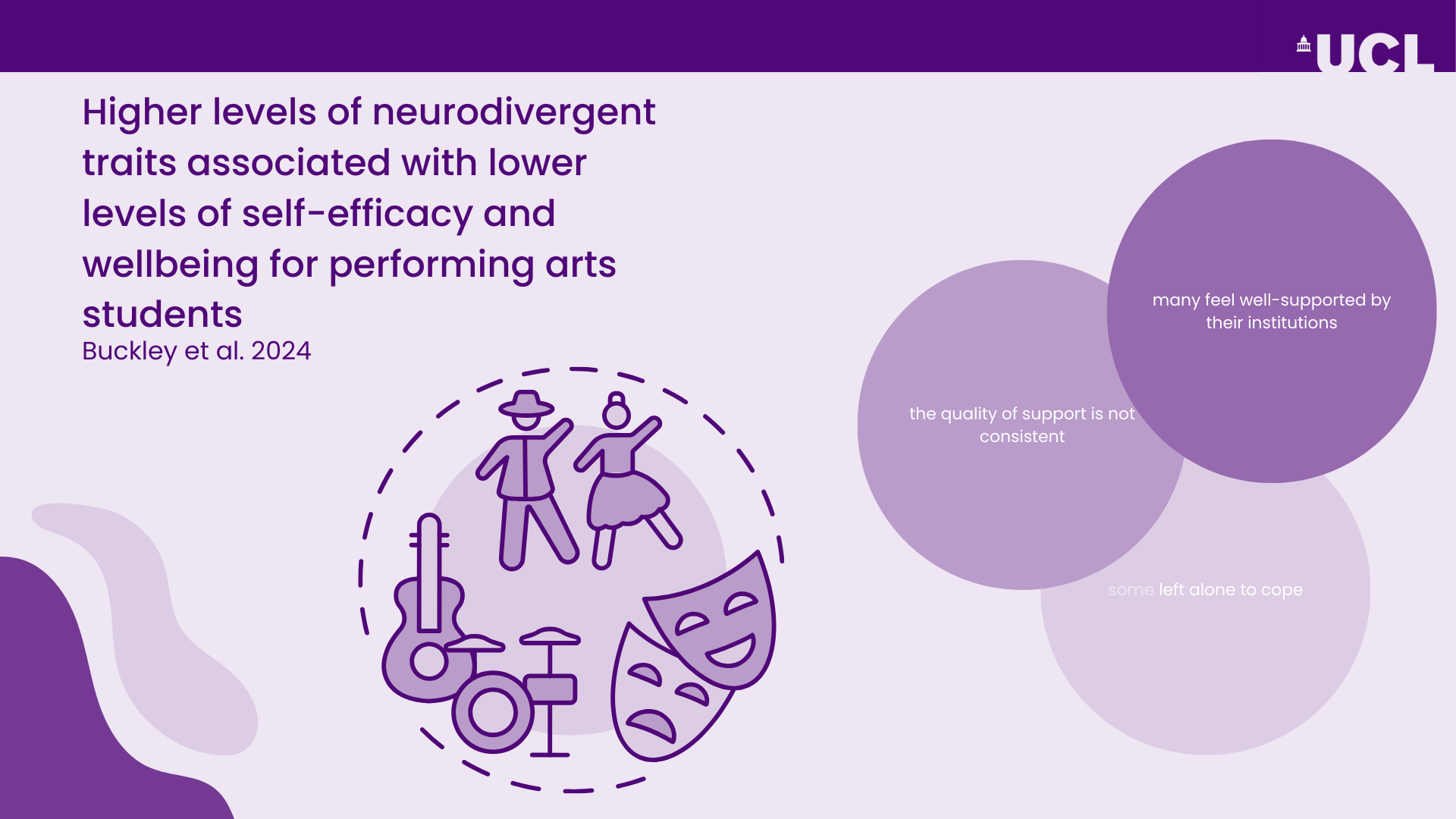
Higher levels of neurodivergent traits associated with lower levels of self-efficacy and wellbeing for performing arts students
This paper aimed to understand how autistic traits may impact student wellbeing and whether these effects are specific to performing arts courses. A total of 424 students, including 280 from performing arts courses and 144 studying other subjects, participated in an online survey. This survey assessed their educational self-efficacy – their belief and confidence that…
-
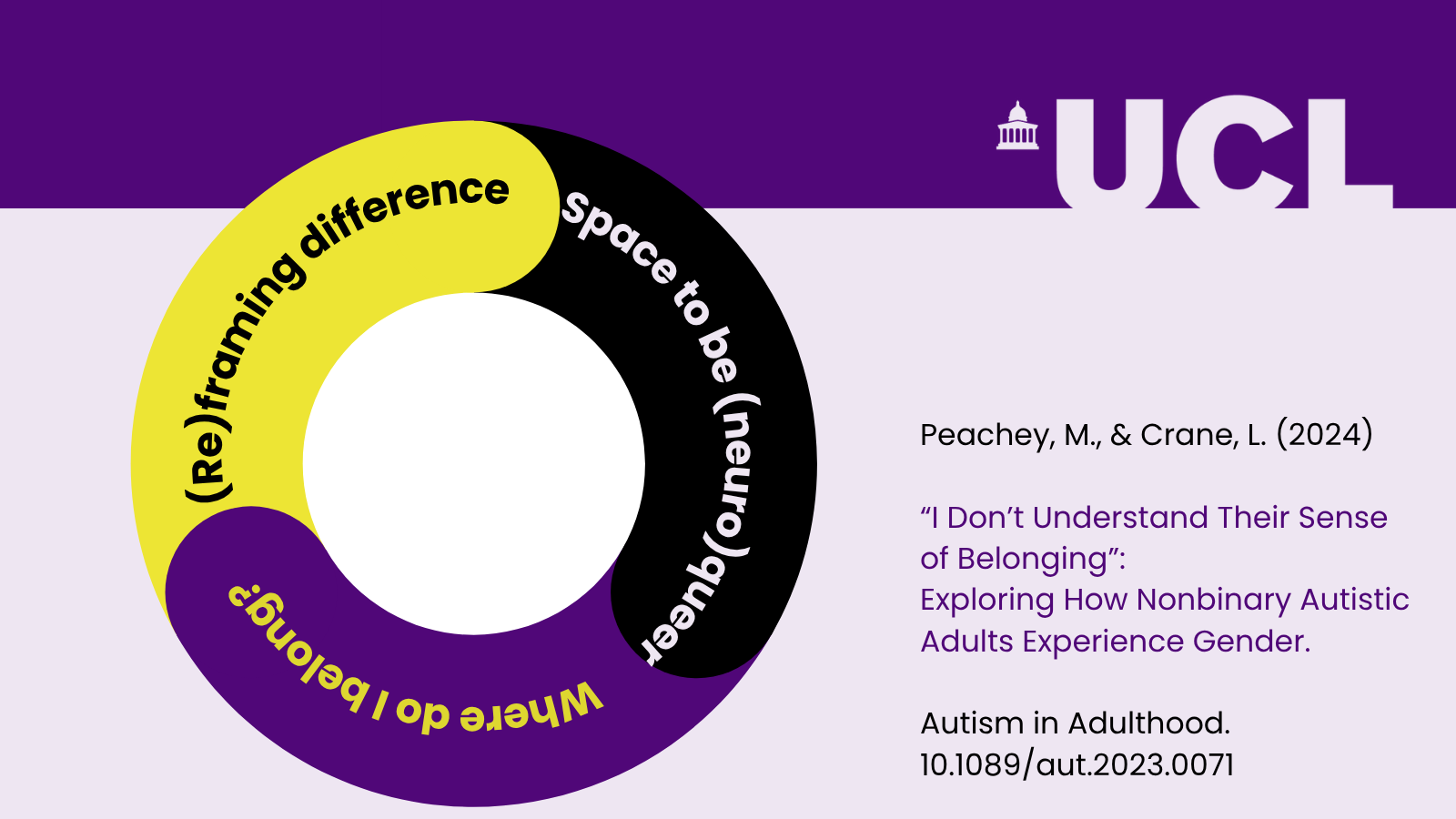
“I Don’t Understand Their Sense of Belonging”: Exploring How Nonbinary Autistic Adults Experience Gender
The study was led by a non-binary autistic researcher. Interviewed participants shared perceptions of gender as an internal feeling, shaped in interaction with others, and reflected on society’s fixation with a binary system. This opens up conversations on the complexity of gender identity. Three themes were identified.